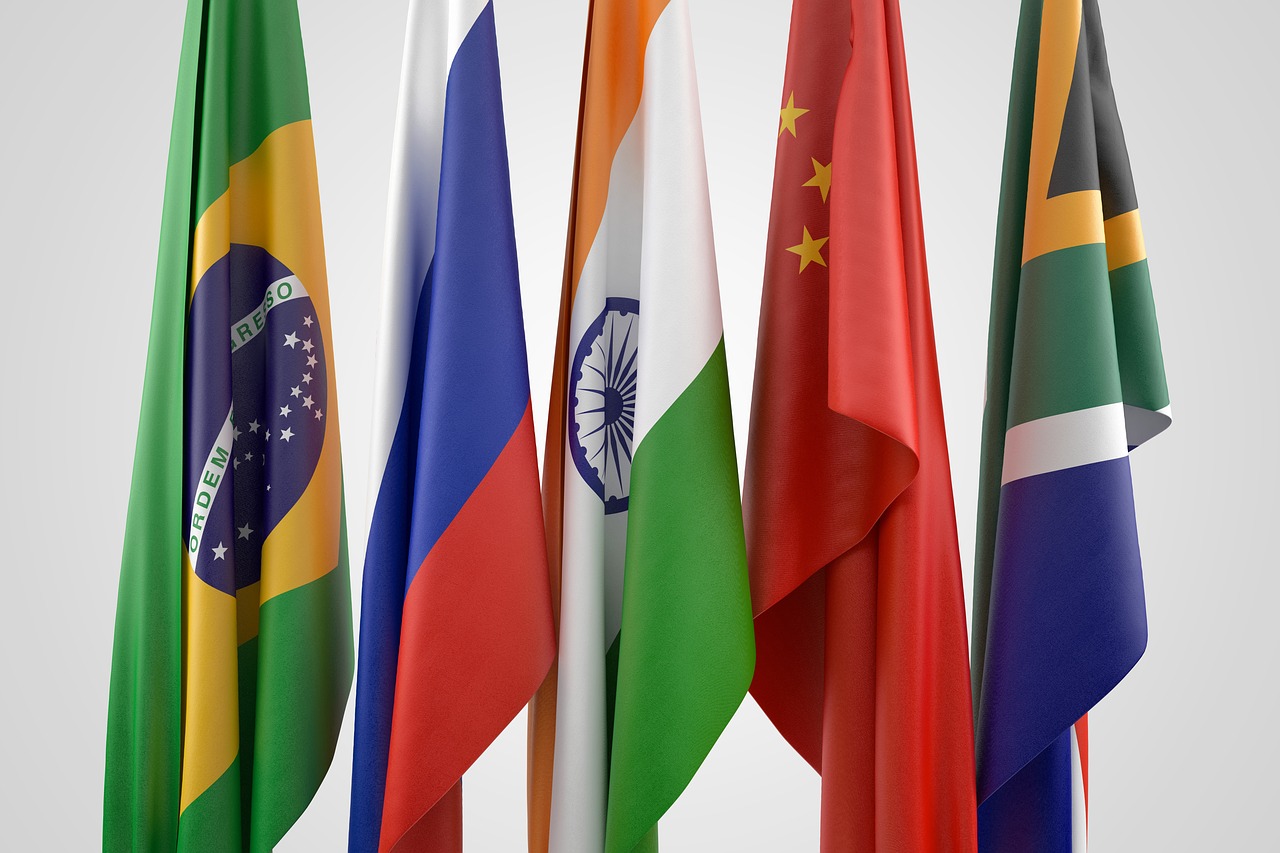
BRICS competition regulators laid out an ambitious roadmap to reshape the global economic landscape at a high-level gathering in South Africa last week, pledging stronger cross-border enforcement, tougher action on cartels, and sharper scrutiny of digital and pharmaceutical markets.
The 9th BRICS International Competition Conference, hosted by South Africa’s Competition Commission from 10–11 September, brought more than 300 delegates to Cape Town, including heads of competition authorities, global practitioners, policy experts, and representatives of international organisations.
Opening the two-day forum, Competition Commissioner Doris Tshepe described the event as a turning point for emerging economies and global antitrust. “The conference marks a new chapter in the journey of BRICS, in the evolution of global competition policy and in the collective effort of emerging economies to shape a fairer, more inclusive international economic order,” she said.
Tshepe highlighted BRICS’s transformation since 2009 into “a central pillar in the global economic order that champions fairness, inclusivity, and the aspiration of the Global South,” while cautioning that fractured multilateralism continues to test those ambitions.
Across four plenaries and multiple breakaway sessions, delegates confronted the forces reshaping global markets: sustainability and trade tensions, the dominance of platform economies, the risks and promise of AI, and volatility in commodity markets driving food prices and food security.
BRICS working groups presented updates on enforcement in pharmaceuticals, digital markets, and food. South African, Chinese, and Brazilian panellists explored how competition law must evolve in a new era of digital dominance and examined the risks of weak regulation. A plenary on sustainability spotlighted calls from the Global South for fairer global rules that do not disadvantage developing economies.
Day two highlighted research from future BRICS leaders, with papers on access to credit, women’s entrepreneurship, and merger control, injecting fresh academic insight into the policy agenda.
Delivering the keynote, Ben Joubert, Sous-Sherpa for BRICS South Africa, warned that weakening international law and multilateralism are failing much of the world. “BRICS has a key role to play in modernising and reforming the global order, not in creating an isolated alternative system but in reversing the geo-economic fragmentation driven by attempts to reassert old hegemonies,” he said.
He called for a “new paradigm of multilateral cooperation anchored in equity, sustainability and development,” urging reforms to modernise multilateral development banks so they better reflect the priorities of developing countries.
In a capstone session, heads of BRICS competition authorities mapped out their five-year enforcement priorities: boosting small business participation, lowering barriers for new entrants, intensifying oversight of digital and AI-driven markets, and strengthening pharmaceutical regulation.
The authorities also signed a joint statement, which Tshepe said “articulates our shared commitments to condemn cartels in all their forms, to cooperate more deeply on cross-border mergers and transnational anti-competitive practices, to incorporate development perspectives unique to BRICS economies, and to work closely with academia, legal practitioners, and research institutions.”
Closing the conference, Tshepe emphasised reform over retreat. While global rules must change, she argued, they should not be abandoned. “There is a consensus that we need to deepen cooperation among BRICS competition authorities, not only to build capacity and share insights but also to strengthen global merger control and improve enforcement at both investigative and remedy stages,” she said.