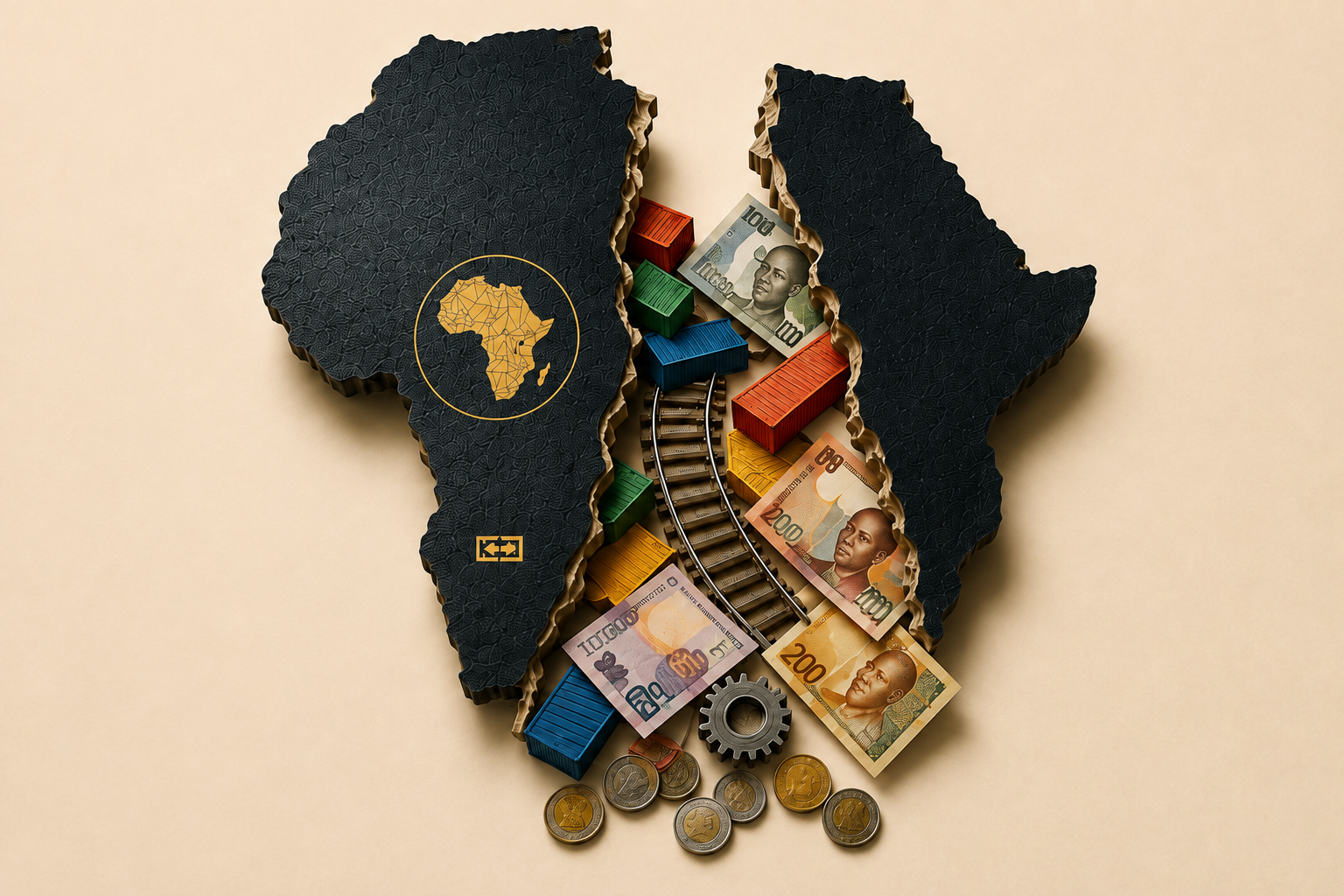
At a recent business forum, a Council member of the South African chapter of the BRICS Business Council, Advocate Mtho Xulu, called on African members to present a united front within the alliance.
“In Africa now we have three members. How do we then use Egypt and Ethiopia together with South Africa to amplify the African story within the BRICS conversation?” Xulu asked.
On paper, his rallying cry for solidarity makes perfect sense. African countries have much to gain from joining forces to advocate for better trade deals among global partners and BRICS is as good a place as any to start.
However, amid a climate of growing anti-migrant sentiment in South Africa, this message may be harder to sell. That much became clear at a recent meeting of the Pan-African Parliament.
The South African delegation found itself on the defensive after Ghana proposed putting the anti-migrant unrest on the African Union agenda. The proposal follows weeks of protests that in some cases led to deadly attacks on foreigners, not to mention the hundreds of migrants who were forced to sleep outdoors in front embassies and other official buildings as they sought a hasty escape to avoid violent attacks. Many left behind businesses as they fled, prompting the Nigerian government to threaten action seeking financial compensation for these losses.
One video on social media showed a migrant destroying her own hair salon, rather than give a threatening crowd the pleasure of doing so.
The South Africans were careful to point out to their peers that Pretoria “rejected violence and intimidation amid the ongoing protests relating to illegal migration in the country.”
According to EWN, ANC chief whip Mdumiseni Ntuli said Ghana’s proposal that South Africa must be put on the African Union agenda “was correctly rejected” after opposition from South African and Zimbabwe.
“Our ministers in the SADC region support South Africa’s efforts and are working together with us to find a solution to this problem. We must be careful as members of parliament not to make statements in this house which can further divide Africans.”
Still, the mere debate seems at odds with the stated aims of the African Union and its organs. In days past, the enemy was elsewhere. Now it seems to have infiltrated the house. The question is: is it here to stay or is it merely a guest? Perhaps more importantly: How much damage will it unleash, however long its stay?
To be fair to South Africa, anti-migrant sentiment is not a new thing on the continent and the vitriol usually has one target: those on the lower end of the economic spectrum, who are inevitably and exclusively fellow Africans.
Perhaps it is time, then, for continental bodies like the African Union to address the root causes of these movements head-on? If not, lofty economic goals will remain just that.