In 2025, BRICS countries found themselves navigating a year defined by geopolitical pressure, institutional consolidation, and a growing focus on development challenges at home. From trade wars and labour markets to smart cities and sport, the alliance’s agenda reflected both global turbulence and an ambition to shape a more equitable international order.
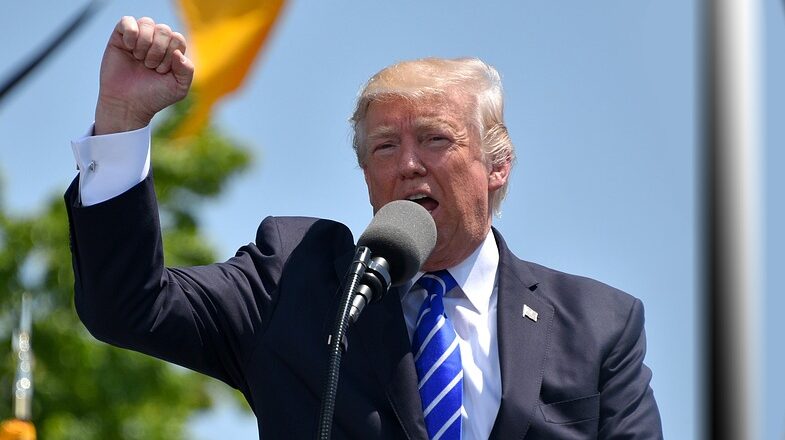
The return of Donald Trump to the White House loomed large. His renewed trade offensive — marked by tariffs and protectionist rhetoric — drew a coordinated response from BRICS leaders. At key moments, including high-level meetings in New York and the Rio summit, BRICS ministers and heads of state condemned trade barriers, warned against unilateralism, and renewed calls for reform of global governance institutions, particularly the United Nations. Leaders such as Brazil’s Luiz Inácio Lula da Silva and China’s Xi Jinping framed BRICS unity as a necessary counterweight to economic fragmentation.
Development and capacity-building featured prominently. A major theme of 2025 was labour and skills. BRICS countries openly acknowledged labour market pressures, from demographic shifts to skills mismatches, while China leaned on technology giants such as Tencent and Alibaba to close critical skills gaps. At the institutional level, the re-election of Dilma Rousseff as head of the New Development Bank reinforced continuity, with the NDB positioning itself as a central financing vehicle for infrastructure, industrialisation, and green transition projects across BRICS and beyond.
Urbanisation and technology also moved up the agenda. The Ubuntu Smart Cities Conference in Johannesburg highlighted how BRICS countries are experimenting with digital governance, smart infrastructure, and inclusive urban growth. South Africa, meanwhile, emerged in discussions as a potential manufacturing hub for China, linked to Belt and Road cooperation and deeper industrial ties.
Soft power mattered too. Sport, culture, and people-to-people exchanges — including coverage of the BRICS Games — offered a reminder that influence is not exercised through economics alone.
Together, these developments shaped BRICS Connect’s top 10 BRICS stories for 2025 — a year that underscored the alliance’s growing relevance, internal diversity, and determination to assert itself in a rapidly evolving multipolar world.
Special report: What BRICS is doing to tackle labour market challenges
BRICS ministers condemn terrorism, warn against trade barriers, and push for UN reforms
Ubuntu Smart Cities conference comes to Johannesburg
Tencent and Alibaba help China close its skills gap
Rousseff re-elected as head of New Development Bank
Lula and Xi blast tariffs, urge BRICS unity amid Trump’s trade offensive
Trump warns that countries supporting BRICS could face an additional 10% tariff
The 2024 BRICS Games: Special coverage
BRICS nations call for a more equitable global order at Rio Summit
South Africa could become a manufacturing hub for China, thanks to Belt and Road Initiative