The United Arab Emirates (UAE) has unveiled an initiative that aims to reskill workers for the digital age and foster global talent mobility.
Presented by Latifa Mohammad, Senior Human Capital Manager at DP World, during the BRICS Skills Auditorium in April and June, the UAE’s programme focuses on cross-sectoral knowledge exchange and collaboration.
It seeks to prepare workers for the demands of a rapidly evolving global economy by creating new pathways in industries such as logistics, renewable energy, digital trade, ports, shipyards, and smart infrastructure.
Already operational through partnerships with Russia, Iran, and China, the initiative has shown early success and scalability. Participants gain hands-on experience across borders, developing cross-cultural leadership skills and building international professional networks.
Building the Workforce of the Future
The UAE’s plan includes several flagship components, including mobility and job rotation frameworks exposing professionals to diverse business environments and regulatory systems; international assignments lasting six to 12 months, where high-potential employees gain exposure in partner countries; and structured internships designed for university students across BRICS nations to strengthen talent pipelines.
Facing the Automation Challenge
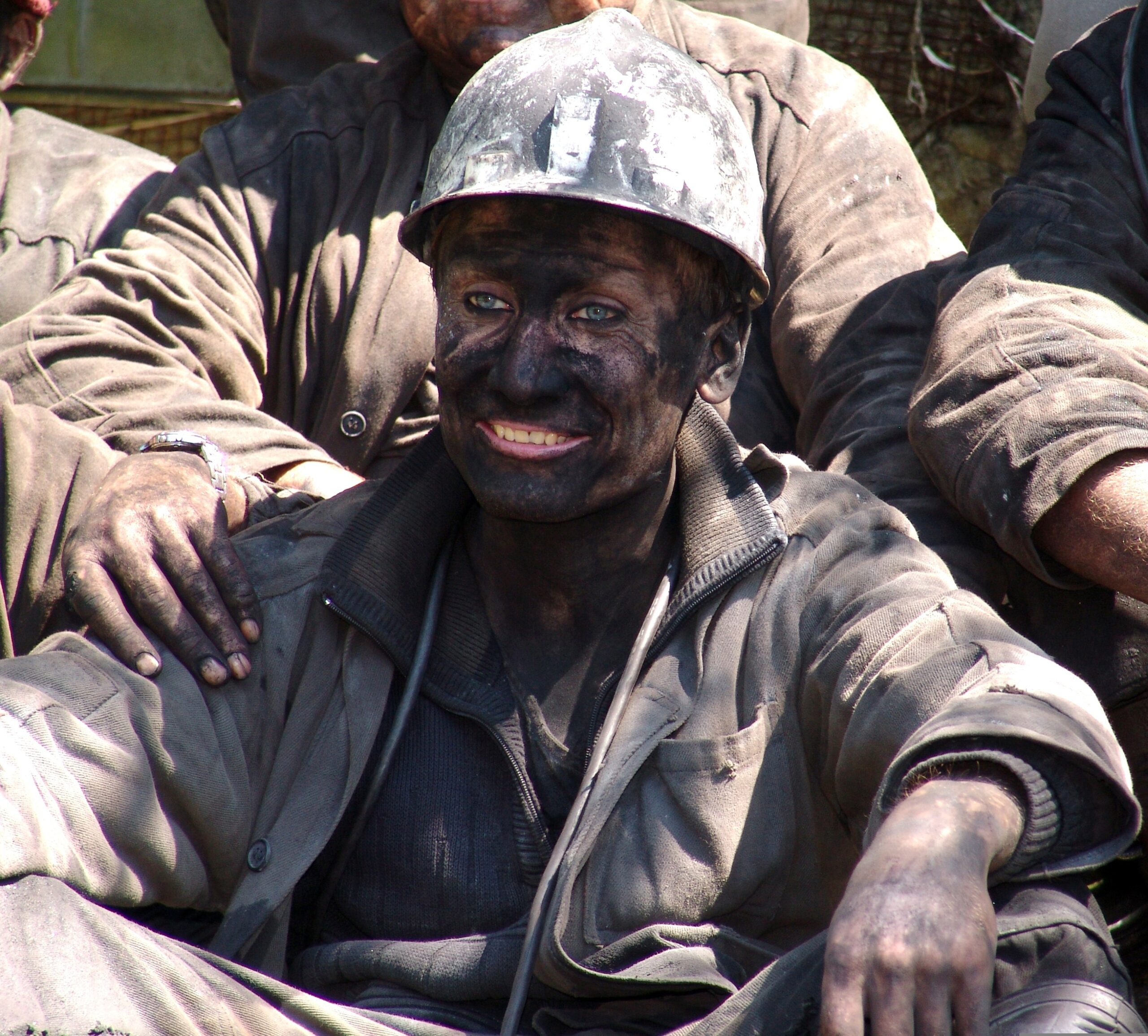
The goal is to reskill and upskill, rather than replace—transforming workers from “coal miners to coders.” Mohammad said not all roles can or should be automated, particularly in sectors like education, healthcare, and tourism, where human interaction remains essential.
Strategic communication, she added, is key to easing fears around technological change. Automation should be seen as an opportunity to enhance productivity and data accuracy, not as a threat to livelihoods, she noted.
Addressing Skills Gaps at Home
The UAE’s domestic labour market mirrors challenges seen across BRICS nations: shortages in logistics, ports, and shipyards, particularly in technical and supervisory roles; reliance on offshore IT services, as the country races to build AI capabilities across healthcare, energy, and finance; and a leadership gap, as a young, rapidly diversifying economy demands stronger management and innovation skills.
Emirati participation in the private sector remains limited, and gender imbalance persists in male-dominated fields such as port operations. Initiatives like Nafis aim to boost Emirati employment and competitiveness in non-government sectors, while the Dubai Universal Blueprint for AI sets ambitious goals for digital integration and efficiency.
Toward Inclusive and Sustainable Growth
The UAE’s forward-looking strategy doesn’t stop at technology. Mohammad stressed the need for inclusive policies targeting women, youth, and retirees, supported by flexible work models and remote employment hubs.
In parallel, proposals to the New Development Bank (NDB) seek to dedicate portions of investment contracts to upskilling and reskilling efforts—ensuring that every major development project contributes to workforce modernisation.