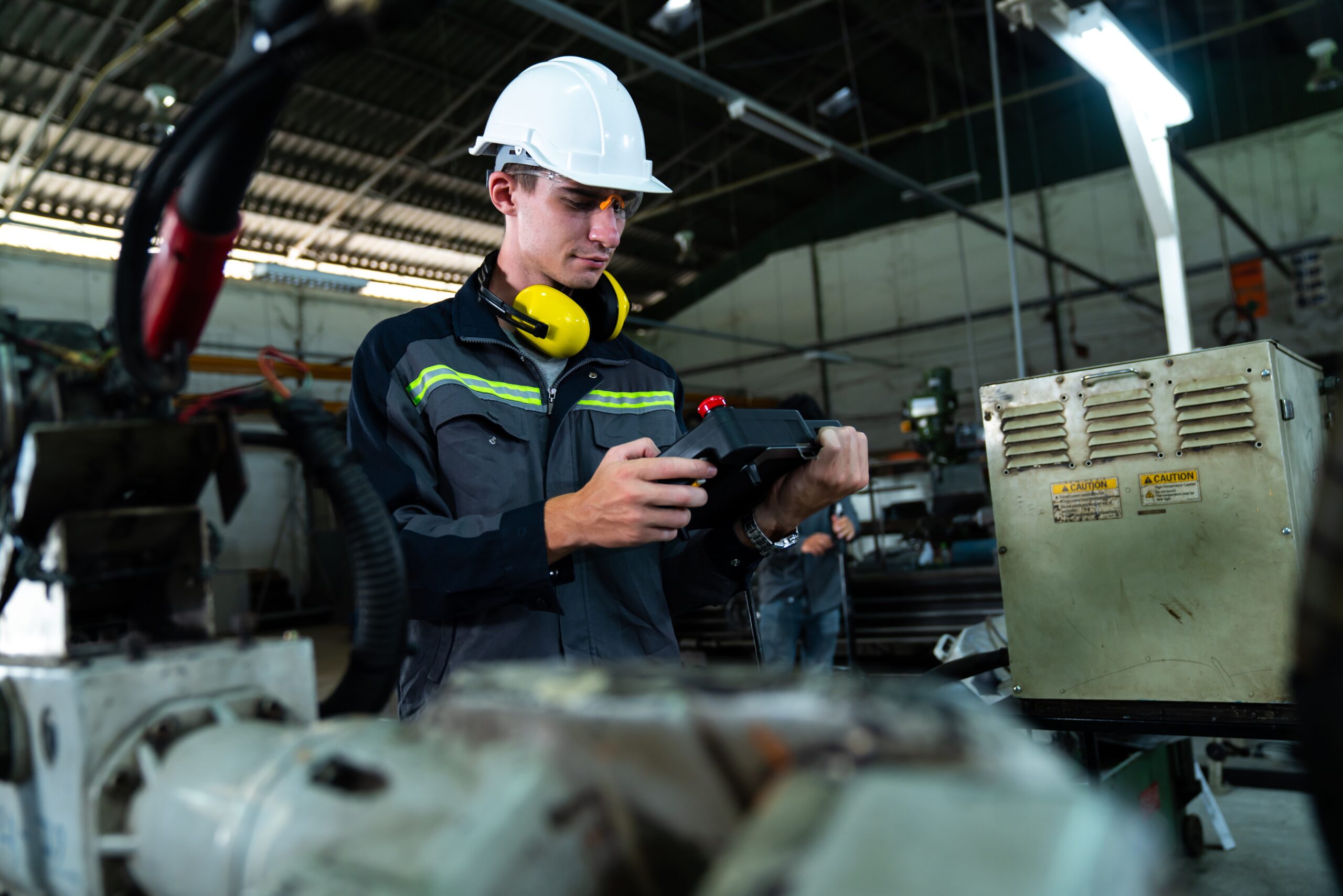
In a warehouse east of Johannesburg, hydraulic presses stamp out metal parts for mining trucks. A few kilometres away, workers at a small cosmetics lab workers pour lotions into jars. Between the clang of steel and the quiet hum of mixers lies the story of South African manufacturing — a sector beset with challenges, trying to reinvent itself one product line at a time.
Thirty years ago, manufacturing contributed around a fifth of South Africa’s GDP. Today, it hovers around 13 percent, eroded by globalisation, cheap imports, and years of unreliable electricity. Yet the country’s industrial base remains surprisingly diverse — spanning metal fabrication, automotive components, textiles, packaging, and an emerging wave of personal-care producers that fuse African botanicals with modern formulations.
“The sector is at an inflection point,” says Tafadzwa Chibanguza, an executive committee member of the SA BRICS Business Council’s Manufacturing Working Group. “The global shift toward reindustrialisation and resilient supply chains could favour us — if we modernise and align policy with opportunity.”
Modernisation, however, has proved elusive. Bell Equipment, the KwaZulu-Natal-based machinery maker, has faced rising input costs and chronic power cuts. Toyota South Africa, still recovering from flood damage at its Durban plant, has battled shipping delays and congestion at the ports. Smaller textile factories in Newcastle and Paarl are fighting to survive against a tide of low-cost Asian imports.
Energy and logistics costs are only part of the challenge. Many manufacturers struggle to secure affordable long-term finance for plant upgrades, while training pipelines for skilled artisans and technicians have thinned.
Still, across factory floors and industrial parks, there are signs of reinvention. Nampak, Africa’s largest packaging producer, has stabilised after years of restructuring, buoyed by demand from food and personal-care brands. Local cosmetics labels such as Suki Suki Naturals and Africology have found international markets with products that showcase South Africa’s biodiversity — marula, rooibos, and baobab among their signature ingredients.
Car manufacturers hope that they will soon benefit from government efforts to transform the country into a hub for electric vehicles. Earlier this year, Finance Minister Enoch Godongwana announces that South Africa would introduce a 150% tax deduction to attract EV and hydrogen vehicle manufacturers in 2026.
EV Magazine reports that several Chinese EV manufacturers are eyeing opportunities in South Africa, with reports suggesting that at least three have signed non-disclosure agreements (NDAs) with Naamsa to assess potential investments. However, many challenges remain, including power shortages and limited charging infrastructure, high EV costs, heavy investment requirements, and workforce gaps.
The BRICS Council’s Manufacturing Working Group is trying to turn the scattered efforts of manufacturers into momentum. Through dialogues with development finance institutions, industry associations, and policymakers, the group is helping align investment priorities, streamline procurement rules, and promote skills exchanges with BRICS counterparts. Its goal is to help South African firms plug into new regional value chains and upgrade technology through joint ventures and knowledge sharing — “so that reindustrialisation benefits us rather than bypasses us.”
The government’s Reimagined Industrial Strategy and the Automotive Production and Development Programme have drawn billions of rands in reinvestment from automakers. Yet some of the most dynamic shifts are coming from the ground up: township-based start-ups making eco-friendly detergents, women-owned cooperatives reviving textile crafts, and contract manufacturers producing organic skincare for export.
Manufacturing still employs nearly two million South Africans. Each job, economists note, supports as many as five others in the supply chain. Reviving the sector, therefore, carries social as well as economic urgency.
Chibanguza argues that inclusive growth will depend on nurturing small and medium-sized suppliers through training, localisation, and predictable procurement — areas where BRICS cooperation can provide both market access and technical support.