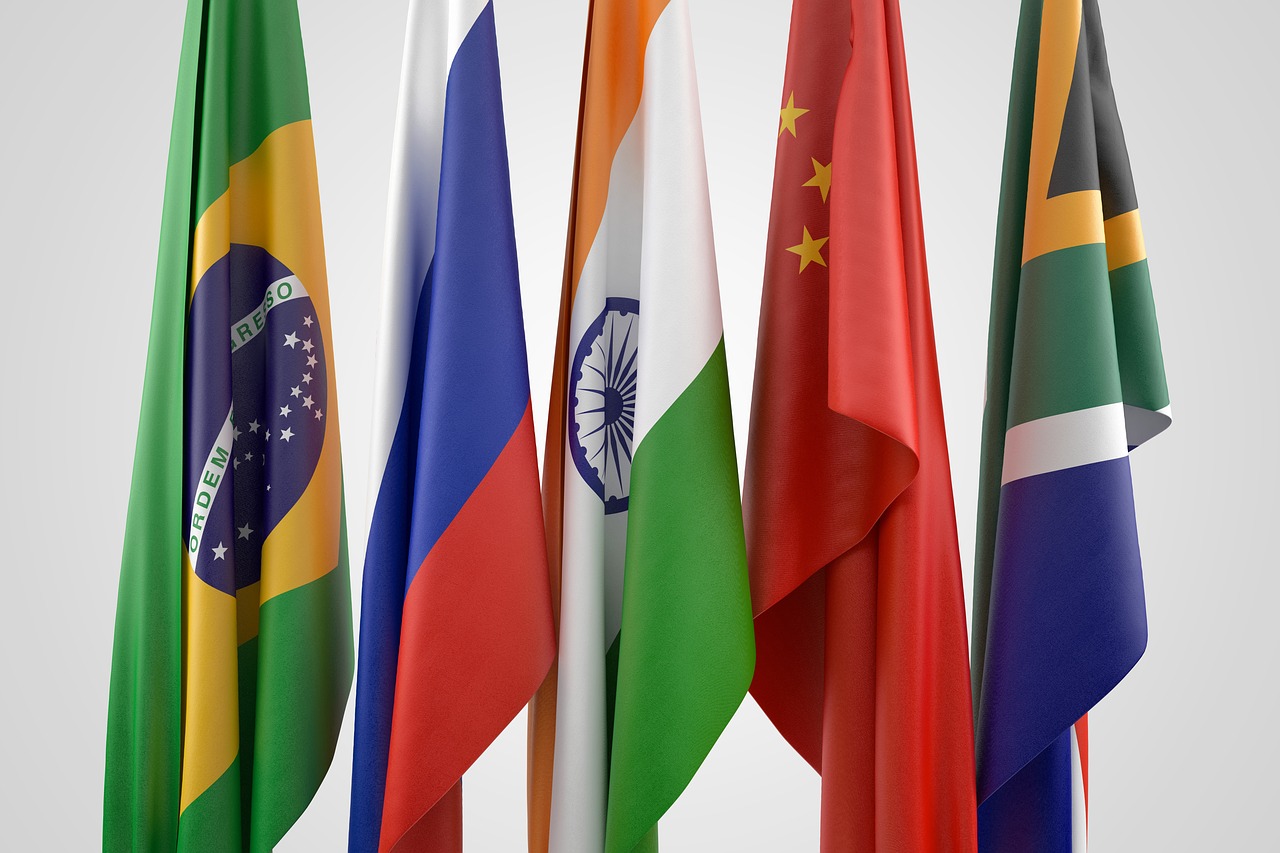
The global order is transforming. The old unipolar model, shaped by neoliberal and neo-colonial frameworks, is giving way to a more inclusive, multipolar reality. As BRICS expands, Africa has a vital role to play, not just as a participant, but as a key architect of this new world.
BRICS now represents 45% of the global population and 37% of global GDP (PPP). That scale alone signals a major shift. But more importantly, BRICS operates through consensus, giving emerging economies, particularly in the Global South, a stronger voice in global decision-making.
Reforming Global Institutions
A central theme of the 2025 BRICS Summit was the urgent need to reform multilateral institutions like the UN Security Council, the IMF, and the World Bank. These reforms aren’t just about balance; they’re about fairness. African countries deserve greater representation in bodies where global rules are made. This will ensure that decisions reflect the interests of all regions, not just the most powerful.
Expansion Brings Opportunity
The recent expansion of BRICS opens doors for Africa to strengthen trade relationships and access new markets. While no single trade agreement currently binds BRICS nations, there is real potential to explore Free Trade Agreements (FTAs) or preferential arrangements.
Investment in infrastructure and development finance is also crucial. Through the African Continental Free Trade Area (AfCFTA), Africa can harmonise regulations, scale markets, and target BRICS nations for mutually beneficial growth.
A Shift in Currency Use
BRICS countries are increasingly trading in their national currencies, reducing reliance on the US dollar or euro.
This helps lower transaction costs and promotes economic sovereignty. More importantly, it challenges the dominance of current financial systems and encourages reform of global monetary structures.
Harnessing Technology and AI
Africa stands to gain significantly from BRICS’ joint commitment to global AI governance.
Digital tools and AI can dramatically improve trade efficiency, especially in a continent still grappling with outdated infrastructure and complex customs procedures.
With the right support, Africa can adopt blockchain for secure trade, standardise digital documentation, and use data flows to improve supply chains. Greater policy coordination within BRICS will be key.
Health and Development
The BRICS Partnership for the Elimination of Socially Determined Diseases offers a chance to reduce health disparities across Africa.
By investing in healthcare infrastructure and digital tools (telemedicine and mobile health apps), we can bring care to rural and underserved communities.
Food Security and Green Growth
Food sovereignty remains a top priority. BRICS can support Africa through collaborative agricultural research, climate-smart practises, and sustainable development strategies.
These partnerships will help Africa feed itself and contribute to global food systems.
A Stronger Role for the New Development Bank
Marking its 10th anniversary, the New Development Bank must now prioritise African infrastructure, renewable energy, and logistics.
Deeper collaboration with initiatives like AfCFTA will drive regional integration and strengthen Africa’s value chains.
Africa’s time is now. With BRICS, we have a unique platform to reshape global governance, secure our interests, and build a future rooted in equity and cooperation.
Let’s seize this moment to lead, innovate, and grow together.
*This article was initially published in the South Africa BRICS Business Council Business Update by Elias Monage, who is a member of the and Chairperson of the BBP Group.