On June 16 this year, 25-year-old graduate Lungelo Ndaba stood at a busy Cape Town intersection holding a handwritten sign asking for work. He may not have been aware of it, but on this historic day in South African history, he was making a statement about a crisis that reaches far beyond the modest borders of his hometown in northern KwaZulu-Natal.
Millions of people all over the world are in his position – with a 40% unemployment rate among those between the ages of 15 and 24, despite the fact that they only make up 18% of the world’s population. Despite his desperate situation on Youth Day, which marked the 50th anniversary of the Soweto youth uprisings, Lungelo is better off than millions of his peers.
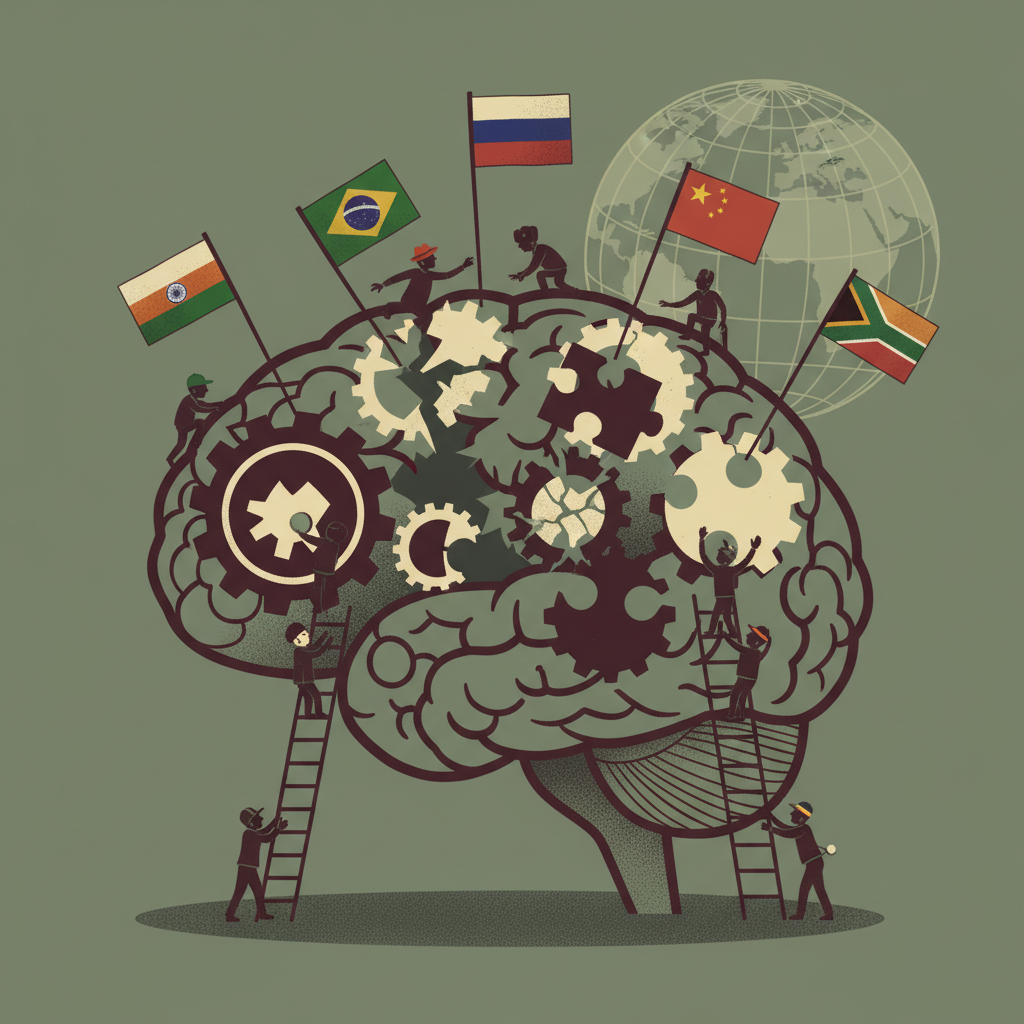
Globally, around 267 million young people (ages 15–24) are not in employment, education, or training (NEET) – a major underutilisation of human capital. BRICS nations are home to the world’s largest youth and emerging workforce. Together these countries account for a significant share of the global youth population and millions of new labour market entrants each year. With this in mind, the alliance has devised an urgent strategy to respond to the global youth employment emergency.
At precisely the moment when artificial intelligence, green technologies, advanced manufacturing and digital industries are creating unprecedented demand for new capabilities, employers across the world report persistent shortages of skilled workers. Businesses cannot find the people they need, while graduates cannot find the jobs they deserve.
The future of work cannot be addressed country by country. Labour markets have become global, technologies spread across borders overnight, and industries increasingly rely on international value chains. Our approach to skills must be equally connected. The first priority is creating common standards that employers can trust.
Today, qualifications often mean different things in different countries. This limits workforce mobility, complicates recruitment and prevents talented people from pursuing opportunities beyond their own borders.
Developing a comprehensive BRICS Skills Quality Framework would create shared benchmarks for technical and vocational education, engineering qualifications, competency-based assessments and professional certifications. Such a framework would not replace national systems; it would make them more transparent, comparable and globally recognised.
Second, we must transform apprenticeships from optional programmes into central pillars of economic development. Young people do not simply need more education. They need meaningful workplace experience while they are learning. Countries with strong apprenticeship ecosystems consistently demonstrate smoother transitions from education into employment because students develop practical competencies alongside theoretical knowledge.
This article is based on statements made by Mapule Ncanywa, Chairperson: BRICS Skills, Applied Technology & Innovation Working Group, SA Chapter of the BRICS Business Council