India has acknowledged that reaching a common position within BRICS on the escalating West Asia conflict remains difficult, citing “differing views” among member states. New Delhi says it is continuing diplomatic efforts to bridge these divisions and develop a consensus within the alliance.
Speaking at a media briefing, Randhir Jaiswal, spokesperson for India’s Ministry of External Affairs, noted that some BRICS members are directly involved in the conflict, complicating attempts to formulate a unified response. India currently holds the chair of the grouping, which recently expanded to include countries such as Iran and the United Arab Emirates.
Tensions within the alliance have been heightened by Iran’s counter-offensive against the UAE and other Gulf states following the United States- and Israel-linked strikes on Iranian targets on February 28. The developments have exposed divergent perspectives among member countries and made it harder for the grouping to articulate a collective position.
“Some members of BRICS are directly involved in the current situation in the West Asia region, which has impacted efforts to forge a consensus on a common BRICS position,” Jaiswal said.
As chair of BRICS, India has been facilitating consultations among members through the Sherpa channel. The most recent Sherpa-level meeting was held virtually on March 12.
According to Jaiswal, New Delhi is continuing to work toward a shared position, although the differences among members have slowed progress. He added that India’s leadership remains in close contact with other BRICS governments in an effort to move discussions forward.
The issue was also raised during a phone conversation between India’s External Affairs Minister, Subrahmanyam Jaishankar, and his Iranian counterpart, Seyed Abbas Araghchi, on Thursday evening.
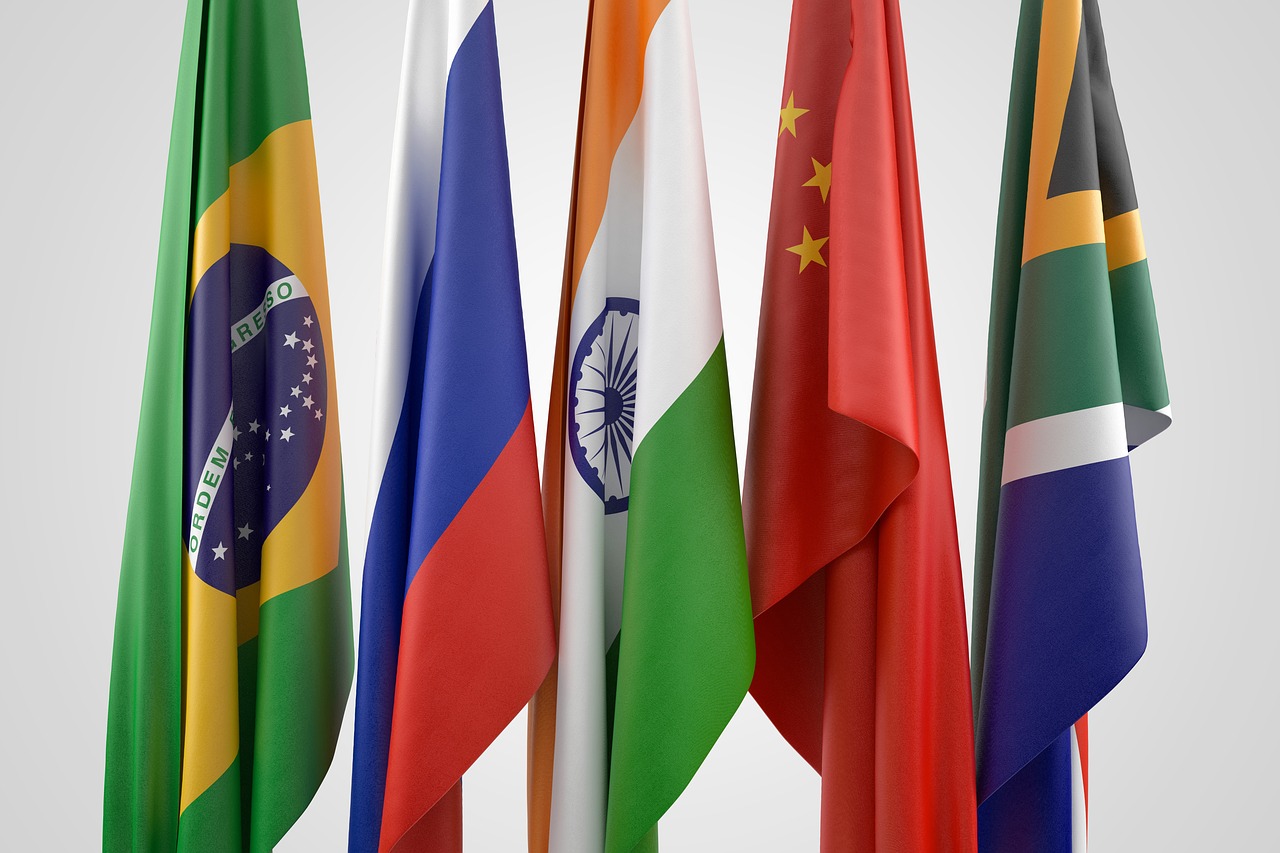
Originally formed by Brazil, Russia, India, China and South Africa, the BRICS grouping expanded in 2024 to include Egypt, Ethiopia, Iran and the UAE, with Indonesia joining in 2025.
The expanded group now brings together 11 major emerging economies, representing nearly half of the world’s population, about 40% of global GDP and roughly a quarter of global trade, underscoring its growing influence in international economic and political affairs.